


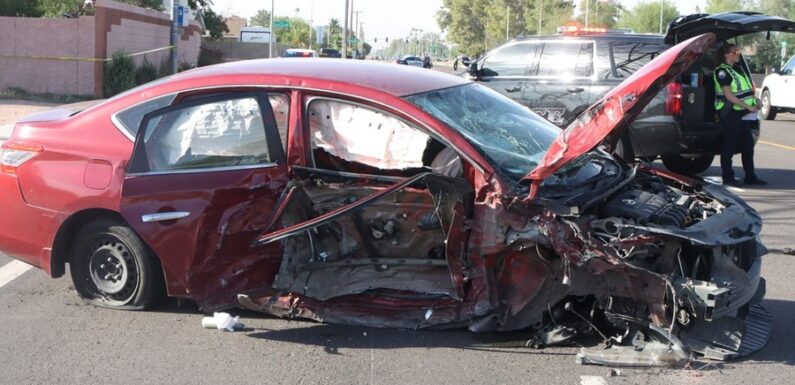
Hazards on the Valley’s Highways
Phoenix is one of the fastest‑growing metropolitan areas in the United States, and its road network has struggled to keep pace. With sprawling suburbs, long commutes and extreme weather, drivers face numerous challenges that lead to collisions. Understanding the common causes of accidents in the Valley of the Sun helps motorists stay alert and informs legal strategies when assigning fault under Arizona’s comparative negligence law. This article examines the behaviors and conditions that most frequently contribute to crashes in Phoenix.
Speeding is a significant problem. Wide, straight roads like Grand Avenue and freeway segments outside rush hour can encourage drivers to exceed speed limits. Higher speeds reduce reaction time and increase the force of impact. Distracted driving is another major factor. Mobile phones, navigation systems and in‑vehicle entertainment compete for a driver’s attention. With long commutes, drivers may also eat, drink or apply makeup behind the wheel, increasing the risk of rear‑end and sideswipe collisions.
Environmental and Human Factors
Extreme heat affects both vehicles and drivers. Tire blowouts, overheating engines and driver fatigue are more common in summer. Dust storms can reduce visibility to near zero within minutes, while monsoon rains create slick roads and flash floods. Impaired driving is a persistent issue; despite public awareness campaigns, alcohol and drug‑related crashes occur regularly. Fatigue also plays a role, as late‑night shift workers and long‑haul drivers struggle to stay alert. Aggressive driving—such as tailgating and weaving between lanes—is frequent on congested freeways.
Phoenix’s large population of motorcycles and bicycles adds another layer of complexity. Drivers who fail to check blind spots or yield when turning can collide with two‑wheeled vehicles. Pedestrian accidents are common, particularly in downtown areas and near college campuses. Recognizing these factors helps determine how fault should be apportioned when multiple parties contribute to an accident.
Keeping Yourself Safe
You can reduce your risk of an accident by adopting the following habits:
- Obey speed limits: Adjust your speed to traffic and weather conditions.
- Stay focused: Put your phone away and avoid multitasking while driving.
- Prepare for weather: Slow down during dust storms and heavy rain. If visibility drops, pull over safely and wait for conditions to improve.
- Maintain your vehicle: Check tire pressure, coolant levels and brakes regularly, especially before long trips in extreme heat.
- Avoid impairment: Don’t drink or use drugs before driving. Plan a safe ride home instead.
Conclusion: Awareness Is Your Desert Driving Companion
Phoenix’s roads present distinct hazards, from high speeds and distractions to brutal weather. By understanding the most common causes of collisions and adopting safe driving practices, you can protect yourself and others. If you are involved in a crash, knowing these causes will help you identify liability and seek compensation. For guidance in the aftermath of a Phoenix accident, connect with car accident attorney in Phoenix. Preparedness behind the wheel and in the legal arena will help you navigate the Valley’s roads with confidence.
