

At a Glance: Key Insights
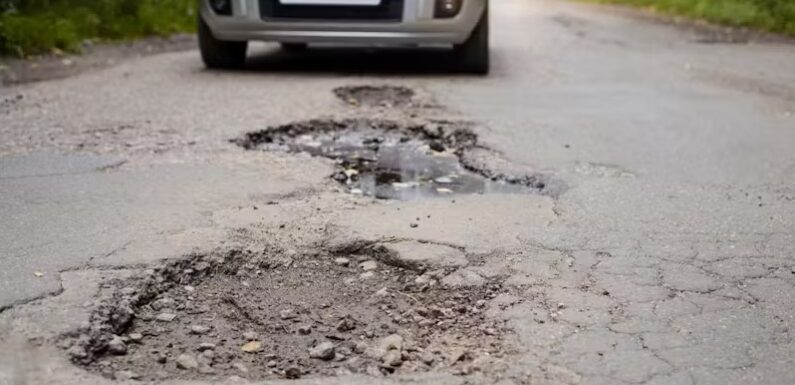
Poor road conditions like potholes, uneven pavement, and inadequate signage can contribute to accidents. Identifying these hazards is key to determining liability.
Exploring the Challenges
Municipalities and construction companies may be responsible for maintaining safe roads. Photographs and maintenance records can support a claim that a road hazard caused or contributed to a crash.
Connecting with the Right Professionals
Reporting dangerous conditions to local authorities helps prevent future accidents and may aid your case. Consulting experts to assess the roadway can also be helpful.
The Essentials Recap
Understanding the role of road conditions can shift liability and uncover additional sources of compensation.
Follow-Up Strategies
Take photos of the hazard, gather witness statements, and research prior complaints about the road.
Practical Reminders
- Document the scene and collect witness information.
- Seek immediate medical attention, even if injuries seem minor.
- Notify law enforcement and file an official report promptly.
- Consult with an attorney to understand your rights and timelines.
Common Hazardous Conditions
Poor road design, inadequate signage, potholes, and weather-related hazards like rain or fog can all contribute to accidents. Even seemingly minor issues like faded lane markings can confuse drivers and lead to collisions. Documenting these hazards promptly helps establish that external factors played a role in the crash.
Holding Authorities Accountable
- Report road hazards to local authorities promptly
- Keep copies of complaints submitted to road maintenance agencies
- Collaborate with neighbors to petition for repairs or improvements
- Research whether similar accidents have occurred at the same location
- Consider consulting a lawyer if negligence by a municipality contributed to the crash
Weather and Seasonal Challenges
Southern California might be known for its mild climate, but sudden rainstorms can create slick roads and cause hydroplaning. Debris from wind storms or unexpected fog can reduce visibility. Drivers should adjust their speed and following distance during adverse conditions. Understanding how seasonal changes impact road safety helps you anticipate hazards and adapt your driving accordingly.
Pushing for Infrastructure Improvements
Advocacy for better road maintenance and infrastructure is often driven by concerned citizens. Joining forces with local community groups or neighborhood councils can amplify your voice. Petitioning for improved lighting, clearer signage, or road resurfacing can make a tangible difference. By taking action, you help create safer roads for everyone.
Finishing Notes
Holding responsible parties accountable improves road safety and supports your recovery.
Conclusion and Additional Advice
Recovering from an accident is a multifaceted process involving legal, medical, and personal considerations. Take the time to educate yourself about your rights and responsibilities, ask questions when uncertain, and lean on trusted professionals and support networks. Maintaining detailed records, following through with medical care, and advocating for your needs are vital steps toward a fair resolution and complete recovery. Finally, remember that healing takes time, and seeking emotional support is just as important as addressing physical injuries.
- Stay proactive and organized in managing your case and recovery
- Communicate clearly and assertively with insurers, legal representatives, and medical professionals
- Document all interactions, treatments, and expenses for accuracy and transparency
- Reach out to support groups or online communities to share experiences and gain insights
- Prioritize self-care and mental health throughout the recovery journey
