


Quick Answer
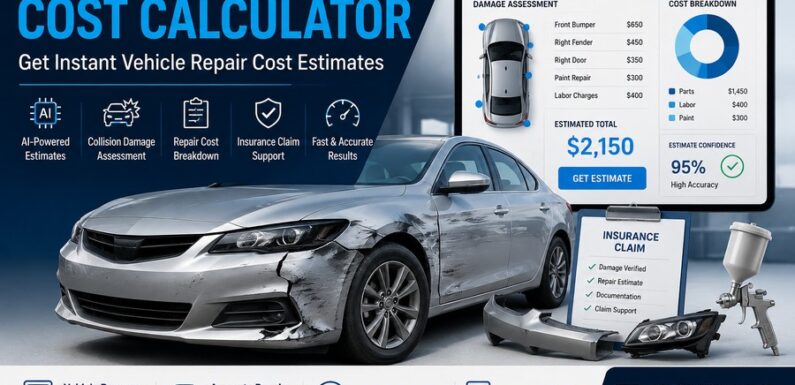
Automotive repair costs vary based on the type of damage, vehicle make and model, labor rates, replacement parts, and location. Minor repairs may cost under $200, while major collision repairs can exceed several thousand dollars. Using a reliable estimate tool such as a car damage cost calculator can help drivers understand potential expenses before contacting a repair shop.
Key Facts Table
| Factor | Impact on Repair Cost |
|---|---|
| Vehicle Type | Luxury and imported vehicles typically cost more to repair |
| Labor Rates | Rates vary by region and repair facility |
| Parts Availability | OEM parts are usually more expensive than aftermarket parts |
| Damage Severity | Larger repairs require more labor and materials |
| Paint & Finishing | Color matching and refinishing add costs |
| Insurance Coverage | May reduce out-of-pocket expenses depending on policy |
Introduction
Unexpected vehicle repairs can be stressful, especially when you are unsure how much the final bill will be. Whether it’s a scratched bumper, dented door, cracked windshield, or collision damage, understanding repair costs helps you make informed decisions and avoid surprises.
This automotive repair cost guide explains the factors that influence repair pricing, common repair expenses, and practical ways to estimate costs accurately.
Why Automotive Repair Costs Vary
Automotive repair pricing is influenced by several interconnected factors.
Vehicle Make and Model
Luxury vehicles often require specialized tools, certified technicians, and premium replacement parts. A bumper repair on a luxury sedan may cost significantly more than the same repair on a compact economy car.
Labor Costs
Repair shops calculate charges based on labor hours. According to industry standards, labor rates differ by region and technician expertise.
Replacement Parts
Drivers generally have three options:
- Original Equipment Manufacturer (OEM) parts
- Aftermarket parts
- Recycled or salvaged parts
OEM parts typically provide the best fit but come at a higher price.
Damage Severity
A small dent repair may require only paintless dent removal, while structural damage may involve frame straightening, panel replacement, and repainting.
Common Automotive Repair Costs
Minor Cosmetic Repairs
| Repair Type | Typical Cost Range |
| Paint Scratch Repair | $150 – $800 |
| Dent Removal | $100 – $1,000 |
| Bumper Scratch Repair | $150 – $600 |
| Headlight Restoration | $75 – $250 |
Moderate Repairs
| Repair Type | Typical Cost Range |
| Bumper Replacement | $500 – $2,000 |
| Door Repair | $300 – $2,500 |
| Windshield Replacement | $250 – $1,500 |
| Fender Repair | $300 – $2,000 |
Major Collision Repairs
| Repair Type | Typical Cost Range |
| Frame Straightening | $500 – $10,000+ |
| Airbag Replacement | $1,000 – $6,000 |
| Structural Repairs | $2,000 – $20,000+ |
| Full Collision Restoration | $5,000 – $30,000+ |
How to Estimate Repair Costs Before Visiting a Shop
Getting an estimate beforehand can save time and improve budgeting.
Step 1: Document the Damage
Take clear photos from multiple angles and note visible issues.
Step 2: Determine Damage Type
Identify whether the problem involves:
- Paint damage
- Body panel damage
- Glass damage
- Mechanical damage
- Structural damage
Step 3: Use Online Estimation Tools
Online repair estimators provide a preliminary understanding of expected expenses.
Step 4: Compare Multiple Quotes
Industry experts recommend obtaining at least three estimates before approving major repairs.
OEM vs Aftermarket Parts Comparison
| Feature | OEM Parts | Aftermarket Parts |
| Fit & Compatibility | Excellent | Varies |
| Warranty Coverage | Often included | Depends on manufacturer |
| Cost | Higher | Lower |
| Availability | Limited at times | Usually broader |
| Insurance Preference | Frequently preferred | Often approved |
Real-World Example
Consider a driver involved in a low-speed parking lot collision.
The damage includes:
- Front bumper crack
- Paint scratches
- Damaged parking sensor
Estimated repair costs could include:
- Bumper replacement: $800
- Paint work: $400
- Sensor replacement: $250
- Labor: $500
Total estimated repair bill: approximately $1,950.
Actual pricing may vary depending on vehicle type and local labor rates.
Industry Standards and Trusted References
Automotive repair professionals often follow guidelines established by organizations such as:
- National Institute for Automotive Service Excellence (ASE)
- Society of Collision Repair Specialists (SCRS)
- National Highway Traffic Safety Administration (NHTSA)
These organizations promote repair quality, technician certification, and vehicle safety standards.
Tips to Reduce Automotive Repair Costs
Prioritize Early Repairs
Small issues often become expensive problems if ignored.
Maintain Proper Insurance Coverage
Comprehensive and collision coverage may significantly reduce repair expenses.
Ask About Warranty Coverage
Many reputable repair facilities provide warranties on labor and replacement parts.
Compare Repair Facilities
Prices can vary considerably between independent shops and dealership service centers.
Frequently Asked Questions
1. How much does minor car body damage cost to repair?
Minor cosmetic repairs typically range from $100 to $1,000 depending on the extent of damage.
2. Why are luxury vehicle repairs more expensive?
Luxury vehicles often require specialized parts, advanced electronics, and certified technicians.
3. Are aftermarket parts reliable?
Many aftermarket parts perform well, but quality varies between manufacturers.
4. Can insurance cover collision repairs?
Yes. Coverage depends on your policy limits, deductibles, and claim circumstances.
5. How accurate are online repair estimates?
They provide a useful starting point but cannot replace a professional inspection.
6. What is the most expensive automotive repair?
Major structural collision repairs and engine replacements are among the costliest repairs.
7. Should I repair minor dents immediately?
Early repair often prevents corrosion and additional damage.
8. How many repair estimates should I get?
Three estimates are commonly recommended for major repairs.
9. Does vehicle age affect repair costs?
Yes. Older vehicles may have limited parts availability, increasing repair expenses.
10. Can a repair shop guarantee final pricing?
Most shops provide estimates, but hidden damage may alter final costs after inspection.
Key Takeaways
- Automotive repair costs vary based on vehicle type, labor rates, parts, and damage severity.
- Minor cosmetic repairs may cost a few hundred dollars, while major collision repairs can reach thousands.
- OEM parts generally cost more than aftermarket alternatives.
- Obtaining multiple repair estimates helps ensure fair pricing.
- Online cost estimation tools provide valuable budgeting guidance before repairs begin.
- Certified repair facilities often deliver higher quality and safer repairs.
Conclusion
Understanding automotive repair costs allows vehicle owners to make smarter financial decisions and avoid unexpected expenses. Repair pricing depends on numerous factors, including labor rates, replacement parts, vehicle complexity, and the extent of damage. Before committing to repairs, document the damage, compare estimates, and use trusted estimation tools to develop realistic expectations. By taking a proactive approach, drivers can control costs while ensuring their vehicles remain safe, reliable, and roadworthy.
