


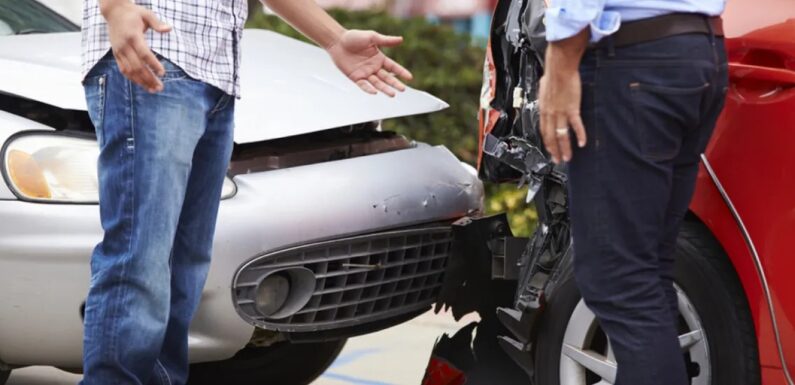
Third party insurance covers the costs when your vehicle damages someone else’s property or injures another person. It’s not optional—Indian law under the Motor Vehicles Act requires every car to have valid Car Insurance. Without it, you face penalties and legal risks.This is your starting point.
What is third party insurance?
Third party insurance protects you from financial liability when your car causes harm to others. It does not cover your own vehicle. Picture this: you’re backing out of a parking spot and accidentally side-swipe a pedestrian crossing behind you.Their medical bills could run into lakhs. A third party policy pays for that—so you don’t have to pay out of pocket.Here’s the core: you are the first party, your insurer is the second party, and anyone else affected is the third party. The policy covers:
- Bodily injury or death of another person
- Damage to someone else’s property (e.g., another car, a wall, a shopfront)
This is the legal minimum required to drive on Indian roads.
Why car insurance is mandatory in india
The Motor Vehicles Act, 1988, backed by IRDAI regulations, makes third party insurance compulsory for every vehicle in India. Why? To ensure that accident victims aren’t left without compensation.Without this rule, a driver who causes serious injury could vanish, leaving the injured person with huge bills and no recourse.Driving without valid Car Insurance invites hefty fines—up to ₹4,000 and/or imprisonment under Section 196 of the Act. Beyond the legal stick, there’s a moral reason: insurance protects innocent bystanders. Every car owner, from scooter riders to SUV drivers, must hold at least this minimal cover before hitting the road.
What third party insurance does not cover
Third party insurance only covers liability to others. It does not cover your own vehicle—period. That means:
- Damage to your car from an accident
- Theft of your vehicle
- Fire, flood, or storm damage to your car
- Own medical expenses if you are injured in the crash
If you hit a tree, your own bumper replacement comes from your pocket. If your car is stolen, a third party policy offers zero compensation. This is the biggest gap to understand.Many new car owners assume insurance = full coverage. Not so. Third party is a safety net for others, not for you.
How to file a third party insurance claim
Filing a claim is straightforward if you act quickly and keep paperwork handy. Here are the steps:
- **Stay at the scene** – Do not flee. Note down your policy number and the other party’s details (name, vehicle number, contact).
- **Inform the police** – Lodge an FIR at the nearest station. The FIR is mandatory for any claim involving injury or significant property damage.
- **Notify your insurer** – Call or use their app within 24 hours. Provide the FIR reference, your policy number, and a brief description of the incident.
- **Submit documents** – You’ll need the FIR copy, your driver’s license, vehicle registration, insurance certificate, and any photos of the scene. The third party (injured or property owner) must also submit their proof of loss.
- **Get a claim number** – The insurer assigns a surveyor who assesses the damage. Keep the claim number handy for follow-ups.
- **Wait for settlement** – The insurer pays the third party directly after verification. You may need to attend a hearing or provide additional statements.
Pro tip: File the claim even if you think you’re at fault. Your insurer can handle the legal liability, saving you from court hassles.
Third party vs comprehensive: which one should you choose?
The choice between third party and comprehensive insurance depends on your risk appetite and car value. Here is a quick breakdown:
- Third party insurance: Covers liability for damage or injury to others. It is cheap and legally sufficient, but your own car repair costs come out of your pocket.
- Comprehensive insurance: Covers third party liability plus own damage from accidents, theft, fire, or natural calamities. It costs more but protects your car fully.
For a car older than 10-12 years and worth under Rs. 1 lakh, stick with third party. The premium savings outweigh the limited cover.For a new or luxury car, go comprehensive. One accident can cost you lakhs in repairs, and your no claim bonus will be lost anyway.
Remember: comprehensive already includes third party cover. You are not missing anything on the legal side.
What to do next: check your car’s current market value and your monthly budget. If the annual comprehensive premium exceeds 10% of the car’s value, consider switching to third party insurance instead.
Common myths about third party insurance debunked
Many drivers believe myths that can lead to risky decisions. Let’s bust them with facts.
- **Myth: Third party insurance covers my car too.** In reality, it only covers liability for damage to others – not your own vehicle. If you accidentally hit a pedestrian, the policy pays for their injury, not your car’s dent.
- **Myth: It’s cheaper, so I save on premium.** True, the premium is lower, but you bear all own damage costs. A single fender bender can cost thousands in repairs, wiping out any saving.
- **Myth: I don’t need insurance if I drive carefully.** Accidents are unpredictable. Even the safest driver can be hit by a reckless driver or face unexpected road hazards. Plus, IRDAI requires all cars to have at least third party insurance.
Understanding these facts helps you make smarter decisions. Always read your policy carefully and don’t let myths guide your choices.
Conclusion
Third party insurance is the foundation of responsible car ownership in India. It keeps you legal, protects others, and covers the biggest financial risk—liability for injuries or property damage. But it’s not a shield for your own car.Pair this knowledge with the right choice for your vehicle: stick with third party for old cars, upgrade to comprehensive for new ones. Always carry your policy documents on the road and renew on time to avoid lapses. That small annual premium buys peace of mind for you and safety for everyone sharing the road.
